When conflict strikes, healthcare often becomes one of the first casualties. In the relief camps and conflict-affected communities of Imphal, Manipur, thousands of women find themselves cut off from essential health services. Displacement, trauma, and insecurity compound to create an alarming void in preventive and primary care. Recognizing this urgent need, The WE Foundation launched Project Punarnava: Manipur—a dedicated initiative to restore access to healthcare and offer early detection services for cancer among vulnerable women.
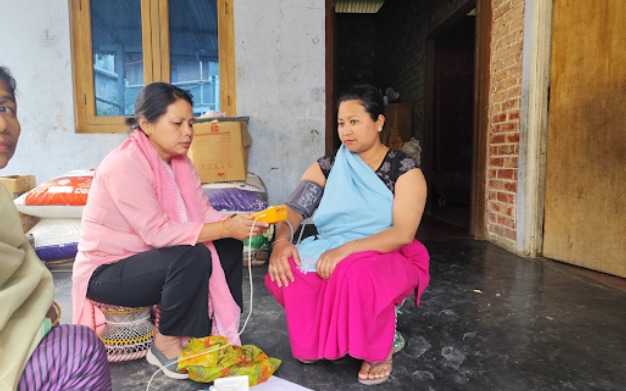
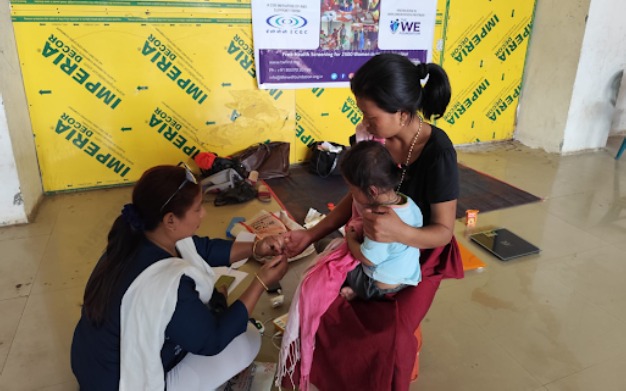
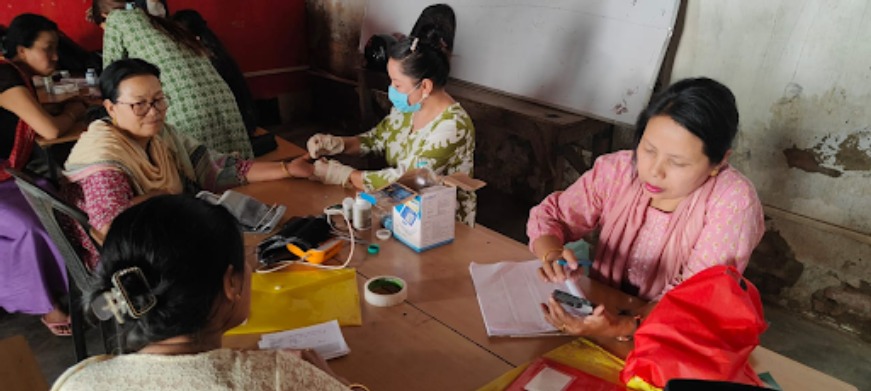
The project is being rolled out in two distinct but interconnected phases. In Phase 1, our teams are conducting both camp-based and home-to-home digital health assessments. Temporary medical setups in relief camps across Imphal provide a safe and approachable space for women to receive health checkups. For those unable to leave their shelters—due to health, fear, or other constraints—our health workers reach them directly through door-to-door outreach. These assessments include vital checks like blood pressure, blood glucose, hemoglobin levels, height, weight, and BMI. Mental well-being is also addressed through empathetic conversations. All health data is securely digitized using tablets, creating anonymized health profiles for future reference and interventions.
Phase 2 focuses on cancer screening for more than 2,500 women identified as medium or high-risk based on Phase 1 assessments. These women will be invited to attend specially organized screening camps across Imphal and surrounding areas. The camps will provide cervical cancer screenings via Pap smear, ovarian cancer screenings through CA-125 blood tests, and breast cancer screening through clinical breast examinations conducted by trained female healthcare professionals. These services are being delivered in accessible locations with cultural sensitivity, privacy, and comfort in mind.
Importantly, Project Punarnava doesn’t stop at detection. A strong referral system ensures that every woman who needs further diagnostic or treatment support is connected to appropriate healthcare facilities. Through collaborations with local government hospitals and trusted private partners, the project ensures follow-up services, transport support if needed, and regular monitoring by field counselors. This continuum of care transforms screenings into actionable health outcomes.
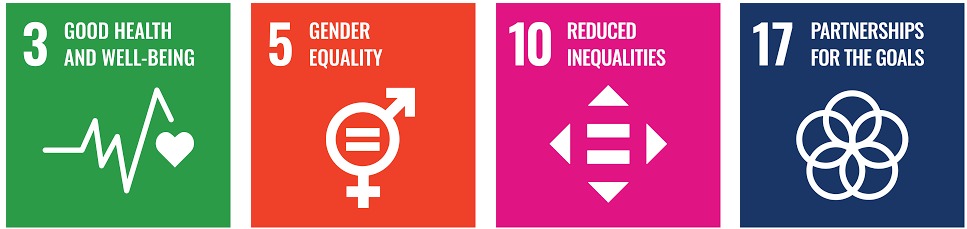
By focusing on women’s health in humanitarian settings, Project Punarnava: Manipur aligns strongly with several UN Sustainable Development Goals (SDGs)—notably SDG 3 (Good Health and Well-being), SDG 5 (Gender Equality), SDG 10 (Reduced Inequalities), and SDG 17 (Partnerships for the Goals). Through data-driven planning, compassionate outreach, and strong inter-sectoral partnerships, the project seeks not just to treat, but to empower women with the knowledge and tools to reclaim their health.