
Skip links

Hotlite – Women Cooking Up Change in Darjeeling

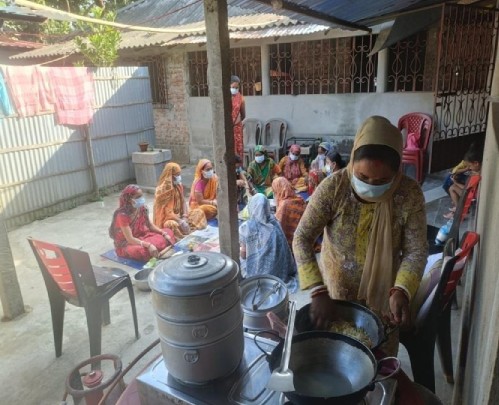
In the busy lanes of Darjeeling, where most women’s work has long stayed hidden inside kitchen walls, the CAPCO–Wipro Hotlite initiative with The WE Foundation invites them to step out front—as visible chefs, business owners, and decision‑makers. What began as a food‑cart training project now feels more like a movement, turning 75 marginalized women from local SHGs into confident entrepreneurs who serve food with pride and run their own micro‑enterprises.

For Pema, cooking was always “just household duty.” After joining Hotlite, she found herself standing behind a bright yellow cart, taking orders, handling UPI payments, and answering tourists’ questions about her specials. The first evening she earned more in a day than she used to in a week of casual labour. She went home and quietly placed the money on the table in front of her in‑laws. That moment shifted the power dynamic at home—now family members consult her before big expenses, and her daughter tells friends, “My mother runs her own food stall on the mall road.”

Sabita, a 40 year old who was widowed during the pandemic, had almost given up on the idea of financial independence. Hotlite paired her with two other SHG members to co‑manage a cart, rotate shifts, and share profits. Beyond the culinary techniques, what transformed her life were the sessions on branding, pricing, and how to talk to customers without apology. On market days, Sabita experiments with locally spiced momos and soups she has named herself, smiling as regulars call out her name. She says the biggest change is not the income, but the respect: “Earlier people knew me as someone to pity; now they know me as someone whose food they seek out.”

Hotlite’s real magic lies in the solidarity it builds. Women learn together, test recipes together, and stand by each other on slow days and festival rushes alike. Digital literacy and basic financial planning are woven into everyday practice—maintaining QR codes, tracking sales on phones, and planning reinvestment—so that the women feel in control of their business choices rather than dependent on middlemen. As carts pop up across the hills, they are not just adding new flavours to Darjeeling’s street food; they are quietly rewriting who gets to own a stall, handle cash, and greet customers with the confidence of a true entrepreneur.

Hotlite is ultimately a story of women stepping from the shadows of “home cooking” into the spotlight of public spaces and public recognition. One momo sold by Pema with her name proudly on the branding, one brave decision by Sabita to invest in her cart instead of borrowing from moneylenders, one SHG discovering its collective strength—together, they show how a simple food cart can become a vehicle for dignity, independence, and a new narrative for women in Darjeeling’s hills.