Skip links

Project Shree on Wheels – When Women Take the Driver’s Seat

In the bustling lanes and crowded junctions of Bengaluru, Project Shree on Wheels is doing much more than teaching women to drive—it is helping them claim space, voice, and visibility in a city where they were mostly passengers, not drivers. Designed for underprivileged women from the city’s peri‑urban neighbourhoods, the initiative gives them not just a licence, but the confidence to navigate public roads, public gaze, and their own futures on their own terms.

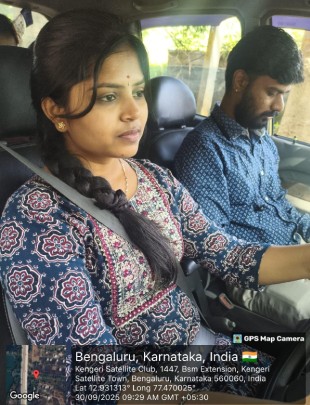
For Radha from Kengeri, buses and shared autos once defined the outer limit of her world. She had never imagined sitting behind the steering wheel of a car, let alone driving on highways packed with trucks and cabs. During the three‑month Shree on Wheels project, she learned to handle traffic, read road signs, and speak assertively to instructors and officials. The first time she drove her training car past the street where neighbours used to whisper about her “big dreams,” Radha rolled down the window and waved. Today she works as a company fleet driver, brings home a steady income, and says the biggest change is that her children now introduce her proudly as “our amma, the driver.”

In Rural Bengaluru, a newly married 23 year old Anitha, joined the project quietly, without telling her in‑laws who believed “women shouldn’t be out late” or handling vehicles. As she practised lane discipline and night driving, she was also practising something new at home—negotiating, setting boundaries, and insisting that her ambitions mattered. When she cleared her driving test and received her licence, the family gathered outside their house to see her drive a car for the first time. That short trip down the lane, with her child cheering from the back seat, marked a turning point: Shakeela now drives as a rental car chauffeur, chooses her working hours, and contributes to household savings with a sense of pride rather than guilt.

Shree on Wheels wraps technical training in a strong layer of sisterhood and self‑belief. Women learn road safety and navigation, but they also share stories of harassment, financial stress, and fear of failure—and practice responding with solidarity instead of silence. Soft‑skills sessions on communication, customer interaction, and dealing with emergencies help them see themselves not just as “learners” but as professionals ready for roles ranging from company driver and school van operator to taxi or ride‑hailing driver. Each cohort leaves with a support network of fellow drivers who exchange leads, encourage each other before RTO tests, and celebrate every first solo ride.

At its heart, Project Shree on Wheels is about rewriting who belongs on the road and who gets to decide where her life is headed. One licence in Radha’s hand, one boundary crossed by Anitha, one group of women confidently taking the wheel in Bengaluru traffic—together, they are proving that empowerment accelerates the moment a woman stops waiting for a ride and starts driving her own.